The profound significance of environmental protection lies in safeguarding the sustainable development of the Earth’s ecology and the inheritance of human civilization. Its core purpose is to achieve harmonious coexistence between humans and nature and ensure sustainable development.
Maintaining Ecological Balance
Biodiversity conservation: Healthy ecosystems provide habitats for species, preventing mass extinctions caused by human activities. Stable natural cycles: Forests and wetlands regulate climate and purify water sources, while soil microorganisms decompose waste; these processes depend on a complete natural environment.
Safeguarding the Foundation of Human Survival
Resource sustainability: Clean air, fresh water, and fertile soil are the foundation of agriculture and industry. For example, one-third of global food production depends on pollinating insects, and their extinction would trigger a food crisis. Health defense: WHO data shows that approximately 7 million people die prematurely each year due to air pollution. Protecting the environment directly reduces public health risks such as respiratory diseases and cancer.
Addressing the Climate Crisis
Carbon sequestration function: The Amazon rainforest absorbs 2.4 billion tons of CO₂ annually, equivalent to 5% of global annual emissions. Destroying such ecosystems accelerates the greenhouse effect. Disaster mitigation function: Mangroves reduce the impact of tsunamis by 40%.
Climate Change
The Link Between Carbon Emissions and Climate Change
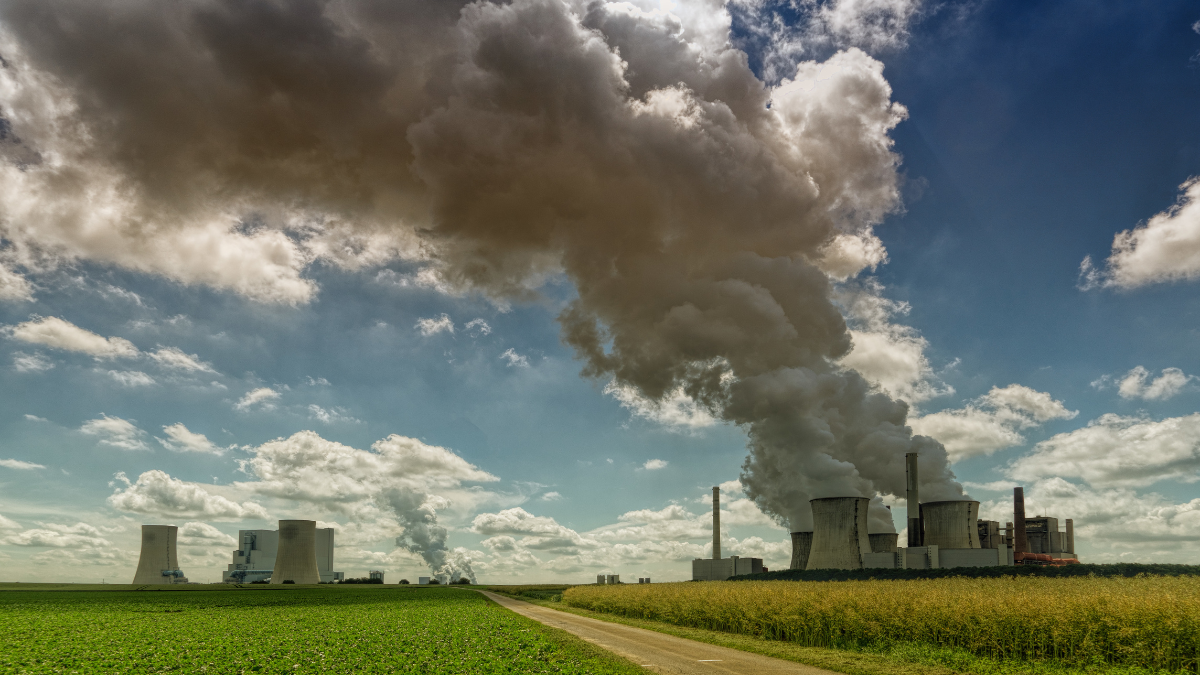
The greenhouse effect is intensifying: Human activities have increased the concentration of greenhouse gases in the atmosphere. These gases, produced by burning fossil fuels and releasing water vapor, carbon dioxide, methane, and other gases, are absorbed by infrared radiation, retaining their energy and causing global surface temperatures to rise, thus exacerbating the greenhouse effect and causing global warming.
Data supports this: Since the Industrial Revolution, atmospheric CO₂ concentration has risen from 280 ppm to 420 ppm (in 2023), and the global average temperature has risen by about 1.1°C (compared to 1850-1900).
Major Sources of Carbon Emissions
Energy production (accounting for approximately 73%): coal, oil, and natural gas power generation.
Industry (such as steel and cement): Dual impact of process emissions and energy consumption.
Transportation (14%): fuel vehicles, air and shipping.
Agriculture and land use: methane (livestock digestion), nitrous oxide (fertilizer), deforestation (reduction of carbon sink).
Assessment and Report
ISO 14001
ISO 14001 is an international standard for environmental management systems (EMS) developed by the International Organization for Standardization (ISO).
ISO 14064-1 is an international standard for greenhouse gas (GHG) accounting and reporting developed by the International Organization for Standardization (ISO).
We offer carbon report verification services to ensure accurate and compliant carbon emission data, helping companies achieve emission reduction and green transformation.
TCFD reporting services refer to services that help companies follow the framework and recommendations of the Working Group on Climate-Related Financial Disclosures (TCFD).
This training strengthens understanding of climate risks, policy drivers, corporate responsibility, and response measures, supporting carbon neutrality and ESG performance.
Provide carbon services to support emissions monitoring and reduction and help enterprises achieve low-carbon transformation and sustainable development.
-1024x684.png.webp)
-1024x684.png.webp)


.png.webp)
.png.webp)
.png.webp)
.png.webp)
.png.webp)
(16:9).png.webp)
.png.webp)
.png.webp)