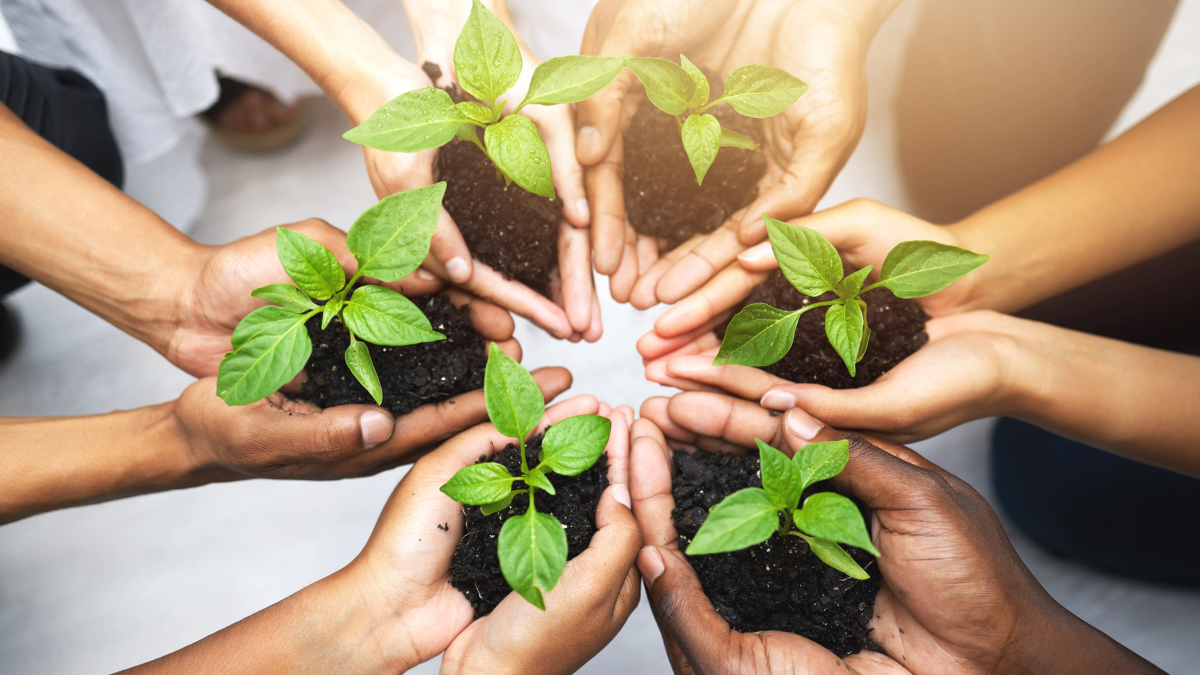
Biodiversity refers to the diversity of all life forms on Earth, encompassing three levels: genetic diversity, species diversity, and ecosystem diversity. It is the foundation of Earth’s life systems and is crucial for human survival and development.
Three Levels of Biodiversity
Genetic Diversity
Genetic differences between different individuals or populations within the same species (such as different varieties of rice or different skin colors in humans).
Species Diversity
The abundance of different species (such as birds, insects, plants, etc. in the forest).
Ecosystem Diversity
Different types and functions of ecosystems (such as forests, wetlands, coral reefs, deserts, etc.).
Assessment and Report
Biodiversity Report Validation
Biodiversity reporting verification ensures data accuracy and contributes to ecological protection.
Biodiversity assessment identifies and evaluates a company’s impacts and dependencies on ecosystems, species, and genetic resources across its operations and supply chain.
The Regenerative Agriculture Assessment evaluates the impacts and performance of agricultural production or supply chains across soil, water, carbon, and biodiversity.
-1024x596.jpg.webp)
.png.webp)
.png.webp)
.png.webp)
.png.webp)
.png.webp)